CUSTOM HEADWEAR / BUYER GUIDE
Curved vs Flat Brim: A Custom Cap Buyer’s Brief
Compare curved vs flat brim caps using real photos. Learn what to specify for brim shape, crown profile, measurements and closures in your custom cap brief.
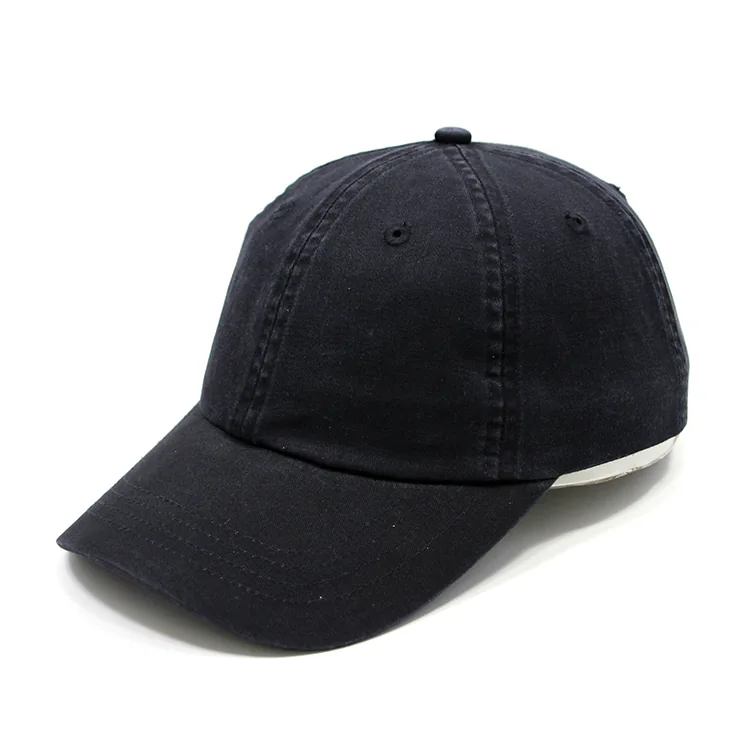
Choosing curved vs flat brim caps is only the first line of a useful custom cap brief. Specify the brim shape, its dimensions, the crown silhouette and the rear closure as separate decisions. That gives the sample team a clearer starting point than a style name alone.
A brand may want a curved brim with a clean front for embroidery. A wholesaler may be comparing several flatter silhouettes for a collection. In either case, the useful question is which visible features to keep and which details still need a sample. The photos below show different reference caps, photographed from different angles. They illustrate specification questions; they are not a controlled comparison of the same cap with two brims.
Separate brim shape from the closure
“Curved brim” and “flat brim” describe the front of the cap. “Snapback” describes an adjustment system at the rear. One term does not specify the other.
When reviewing flat-brim and other headwear directions, write the requested rear fastening on its own line. If you like a photographed cap because of its brim, say so; otherwise the supplier may reasonably ask whether you also want its crown, back opening and closure.
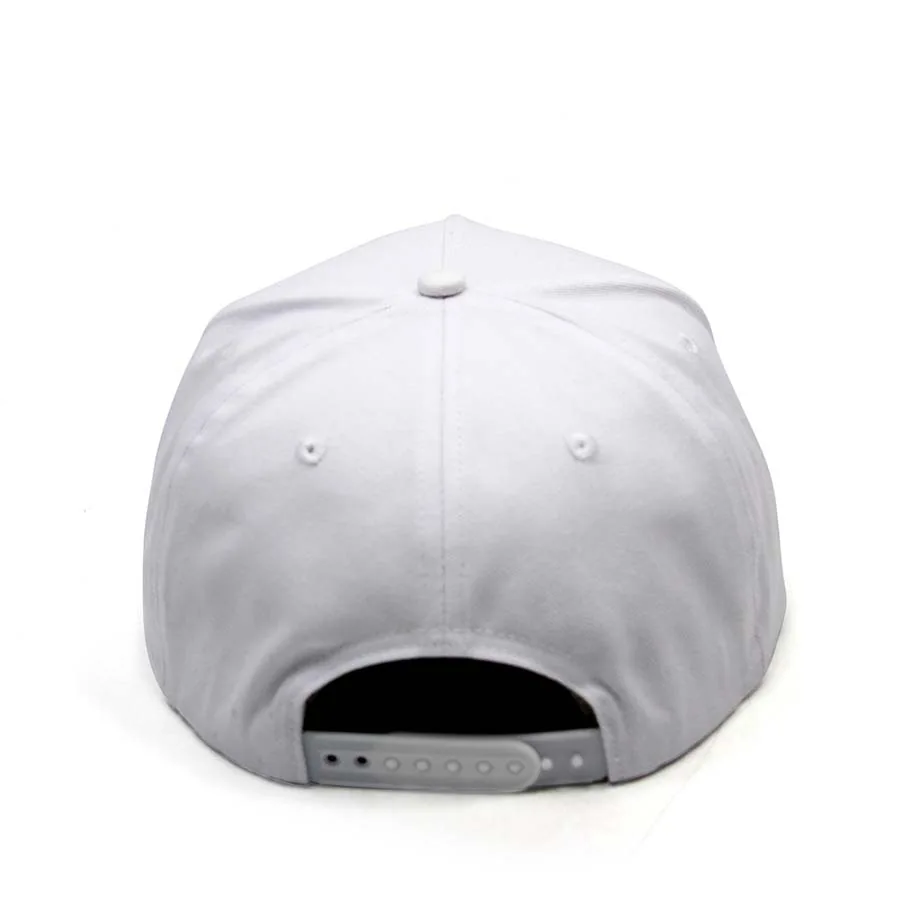
Record the closure type, intended adjustment and any rear logo or label together. Leave the size range open until it has been agreed and checked. A rear photo can show the fastening arrangement, but it cannot establish a measured fit range.
Describe the curve and the angle separately
A brim can curve across its width while also pointing downward relative to the crown. These are different features. A front photograph is useful for discussing the curve from one side to the other; a side view helps explain the brim’s direction and its relationship to the crown.
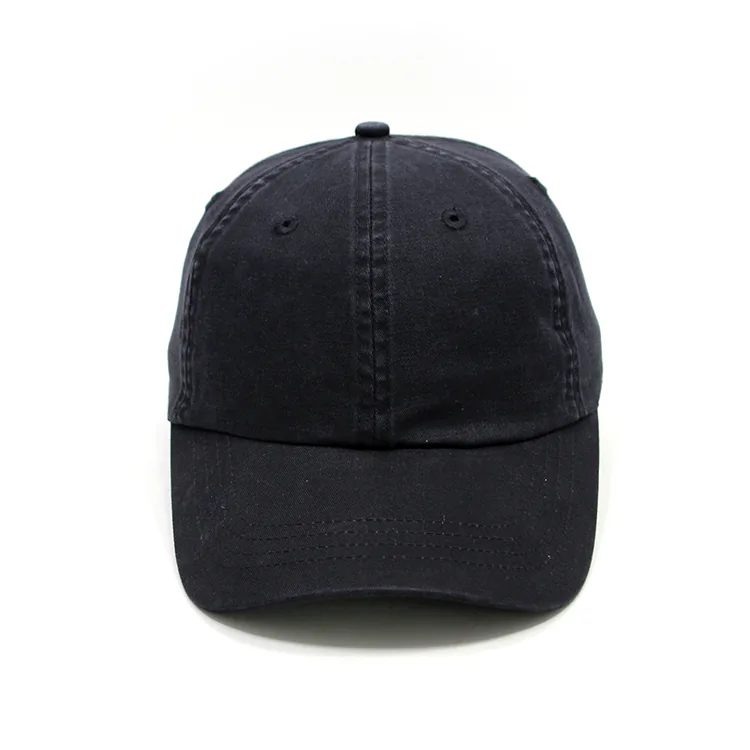
Instead of writing “make it more curved,” mark the part you mean on the reference photo. Is the change across the width, at the front edge, or in the downward angle? Ask for front and side photos of the revised sample under consistent conditions. A camera positioned higher or lower can make the same brim appear different.
For baseball and dad cap shape options, include a reference for the whole cap as well as the brim detail. A brim change should be assessed with the crown it will be attached to.
Agree how width and projection will be measured
“Wide” and “long” need measuring points before they become production instructions. Do not estimate either dimension from these photographs: there is no scale reference.
For a useful measurement request, distinguish:
- Width: where across the brim the measurement is taken. Identify the two endpoints on a marked drawing or sample photo.
- Front projection: the distance from an agreed point at the crown-to-brim join to an agreed point on the front edge, usually discussed along the center line.
- Measurement method: whether a dimension follows the surface or is taken as a straight distance between points. The method matters when the brim is curved.
- Review condition: whether the cap is unsupported, on a head form or worn, and how it is positioned for comparison.
Ask the sample team to confirm the drawing and measuring method before assigning dimensions. If you already have a physical reference, identify it by sample code or revision and record the measurements taken from that actual piece. Agree tolerances for the project rather than borrowing an unexplained number from another product.
Review the brim with the crown silhouette
A flatter brim alone will not reproduce the appearance of a reference cap. The front height, side profile and crown-to-brim join also influence the silhouette.
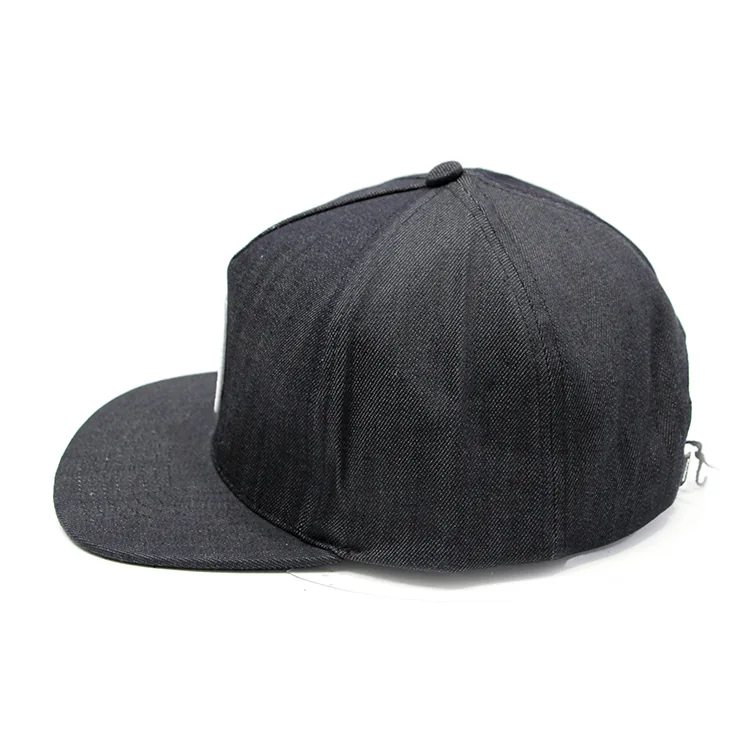
Separate visual preferences from construction requirements. You can ask for a similar side profile without claiming that the photograph reveals the internal support, fabric composition or fit. If those details matter, request the specification and review the physical sample.
Keep logo placement in that discussion too. A front design needs an agreed size and location on the proposed crown, not just on a flat artwork file. The website’s 3D Design Studio helps communicate an early color and logo concept; it does not establish final brim dimensions or replace sample approval.
Turn the reference into a clear sample request
Use one reference for each decision, and say what that reference controls. If the brim comes from one cap and the crown from another, label them accordingly so the combination can be reviewed for feasibility.
| Decision | Put in the brief | Confirm during sampling |
|---|---|---|
| Brim shape | Curved or flat direction, with marked front and side references | Curve across the width and angle relative to the crown |
| Width and projection | Agreed endpoints, dimension units and measurement method | Measurements on the identified sample revision |
| Crown silhouette | Which front and side features to retain | Shape and fit on the agreed wearer or head form |
| Closure | Requested fastening and rear opening, separately from the brim | Adjustment, fit range and rear decoration clearance |
| Logo position | Artwork version, intended dimensions and position references | Finished placement on the proposed cap |
A short request might read:
We would like to discuss a curved-brim cap. Reference A shows the brim direction we prefer; reference B shows the crown silhouette. Please review whether the combination is feasible and confirm the measurement points before sampling. The rear closure is still undecided. Our artwork and intended order quantity are attached.
This is an example of brief wording, not a promise that a particular combination is available. Replace the references and open questions with your own decisions. Once a sample is ready, use the five-view cap sample review guide to check the front, side, back and inside together.
Send your cap references and design brief to Rongtai. Include the features you want to keep, the decisions still open, your intended quantity and destination. Alex can review the next questions with you before the sample requirements and commercial terms are agreed.