CUSTOM HEADWEAR / BUYER GUIDE
Open-Crown Visor vs Full-Crown Sports Cap: Sample Brief
Compare an open-crown visor and full-crown sports cap using real photos. Prepare a sample brief for structure, logo space, rear details and physical fit checks.
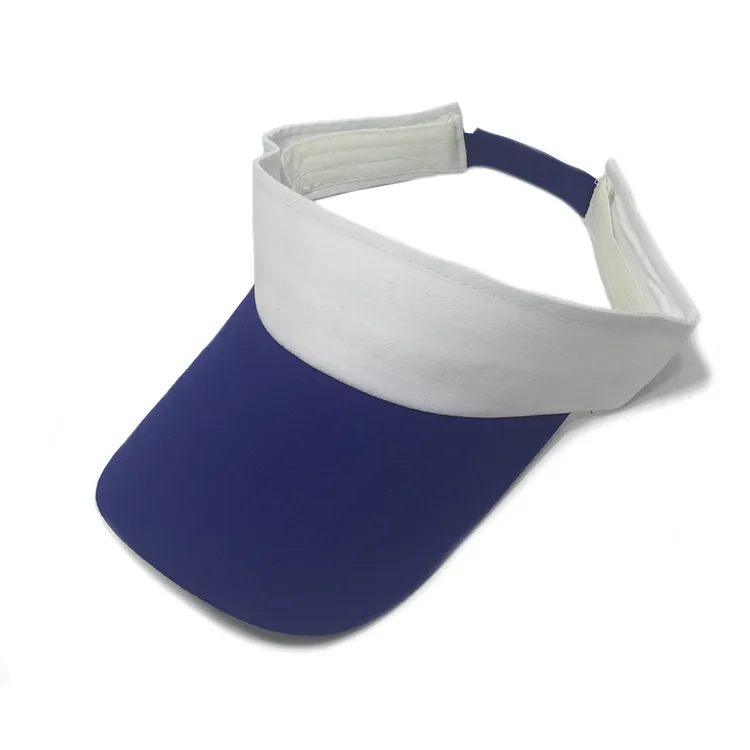
An open-crown visor and a full-crown sports cap can share a similar brim direction, yet they ask for different sample decisions. The first leaves the top of the head open and depends on a band around the head. The second adds a crown whose panels, seams and fit must also be specified. When a buyer sends only a front-view reference, those structural choices can get lost behind a color or logo request.
Use the two photographed reference pieces here to start a brief, then check the proposed design on a physical sample. They are different pieces, not a controlled comparison. The photos do not establish fabric composition, cooling, sun protection, size range or performance.
Begin with the structure, not the sport label
Name the headwear shape before describing the activity. “Sports cap” can describe an intended use, but it does not tell a supplier whether you want an open top, a complete crown, a particular band or a particular rear adjustment. Mark “open-crown visor” or “full-crown cap” on the first page of the brief and attach a front, side and rear reference if you have them.
The white-and-blue visor above shows an open top, a broad front band and a brim. Its rear band is visible, but this angle does not identify a fastening method or prove that it adjusts. Request a close rear view and a physical sample before approving that detail.
The full-crown reference below has panels covering the top of the head. Its front and side surfaces give a different set of places to discuss panel joins and artwork. This view does not show its back or inside, so it cannot answer a closure or fit question.
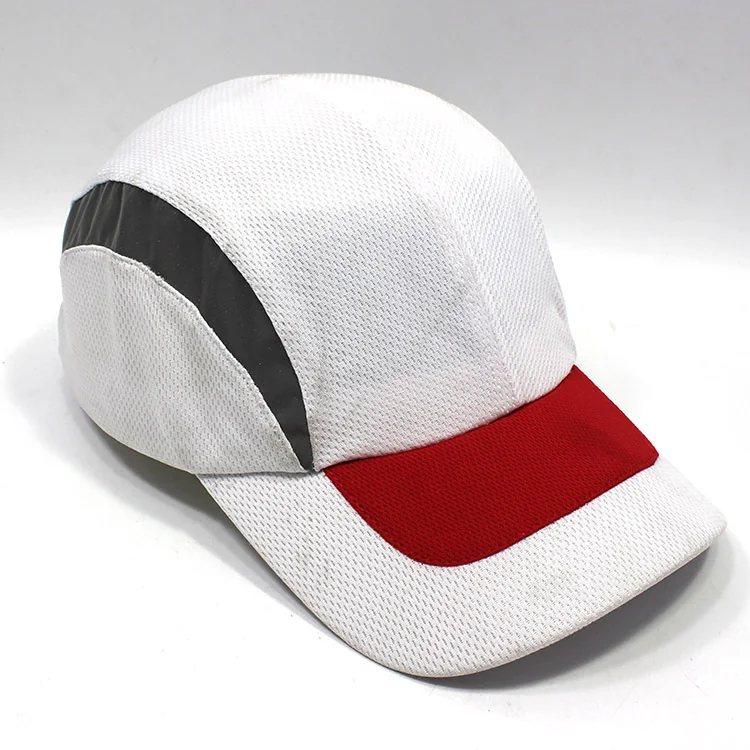
A separate full-crown reference shows the top and side panels. It is an illustration of structure, not a matched material or fit comparison with the visor.
Decide what the design needs to carry
Choose the structure that gives your design a clear place to live. An open visor has a band and brim to work with; a full-crown cap adds front, side and top panel areas. That visible difference matters when you discuss where an emblem, print, label or color boundary should sit. It does not establish how much usable logo space a finished sample will have.
| Buyer question | Open-crown visor brief | Full-crown cap brief |
|---|---|---|
| What should the top look like? | Show the intended open area and the band shape from above and behind. | Show crown profile, panel joins and any top detail. |
| Where does the artwork go? | Mark its position on the band or brim and ask for the available finished area. | Mark the relevant front or side panel, then check seam clearance on the sample. |
| What must the rear view show? | Ask for the full band path and a close view of its actual adjustment or joining detail. | Ask for the opening, closure, remaining strap and any rear decoration. |
| What should be tried on? | Check where the band sits and how the proposed rear detail feels in use. | Check crown depth, opening and closure together on the intended wearer or head form. |
If a logo crosses an edge or seam, send artwork at its intended finished size and ask the supplier to mark the production position on a sample. The customization overview explains the logo and color choices Rongtai can discuss; the sports-use section of the headwear range gives a starting point for describing your intended use. Neither a category name nor a screen preview replaces the sample check.
Write a brief that separates visible facts from open questions
Treat the photograph as a reference, not a specification sheet. A front view can show shape and color placement. It cannot tell you the measurement method, the usable adjustment range, how a band is joined at the back or how the headwear feels on a person. Label those as questions instead of silently filling the gaps.
For either structure, attach the reference view and note the sample revision. Add a marked side view for the brim direction and a marked rear view for the closure or band. Record the dimensions you need the supplier to measure on the finished item; identify the measuring points instead of writing an unqualified “one size.” If you have an approved sample, name its revision and say exactly which details are the reference.
For a visor, ask the sample team to show the top opening, band height and full rear path. For a full-crown cap, ask them to show the crown from the side and inside, including seam placement near any decoration. If a reference image does not show one of these areas, request another view; do not assume the missing detail matches a different product photo.
The five-view baseball cap sample guide covers a broader front-to-inside photo review. This guide makes the earlier structure choice explicit, so the supplier is not asked to solve an open-crown versus full-crown decision after artwork has been placed.
Compare physical samples with one repeatable record
Record how each sample was checked before calling it approved. Put the visor and cap on the intended wearer or the same identified head form, if both are under consideration. Note the wearer or form, the sample revision, the position of any adjustable rear detail and the points used for each measurement. Do not compare a tight setting on one sample with a loose setting on another without recording the difference.
During the trial, observe the band or crown position, the brim direction and whether the rear detail stays where it was set during ordinary handling. Note any contact point or visible change you want revised. A single try-on is feedback about that sample and those conditions; it does not prove a universal fit range, long-term comfort or durability. Ask the supplier to confirm any stated size range or tested performance separately.
Use a short decision line for each revision:
Sample [ID and revision] — structure [visor or full crown] — wearer or head form [reference] — rear setting [position or not applicable] — measuring points [named] — observed result [what happened] — requested change [one precise action] — status [approved, revise or open].
If both options remain in play, keep separate approval lines. A change to the visor band should not accidentally be read as approval of the cap crown, and a color change should not erase an earlier fit comment. The physical color-approval guide provides a separate way to record color-zone and shade decisions.
Send the next sample question, not just a picture
When you contact a supplier, include the structure choice, marked reference views, artwork version, target wearer or head-form information, intended quantity and destination. State which details are decided and which need a physical sample or supplier confirmation. If you are still choosing between a visor and a full-crown cap, say so and request separate sample answers for the band, crown and rear detail.
You can use the 3D Design Studio to communicate an early color and logo direction, then send Alex your headwear brief and open questions. The physical sample remains the place to check fit, measurements and construction before a production decision.