CUSTOM HEADWEAR / BUYER GUIDE
Custom Hat Quote Checklist: Compare What Each Supplier Includes
Compare custom hat quotations against one versioned brief. Check specifications, sample scope, packing, delivery terms and exclusions before choosing an offer.
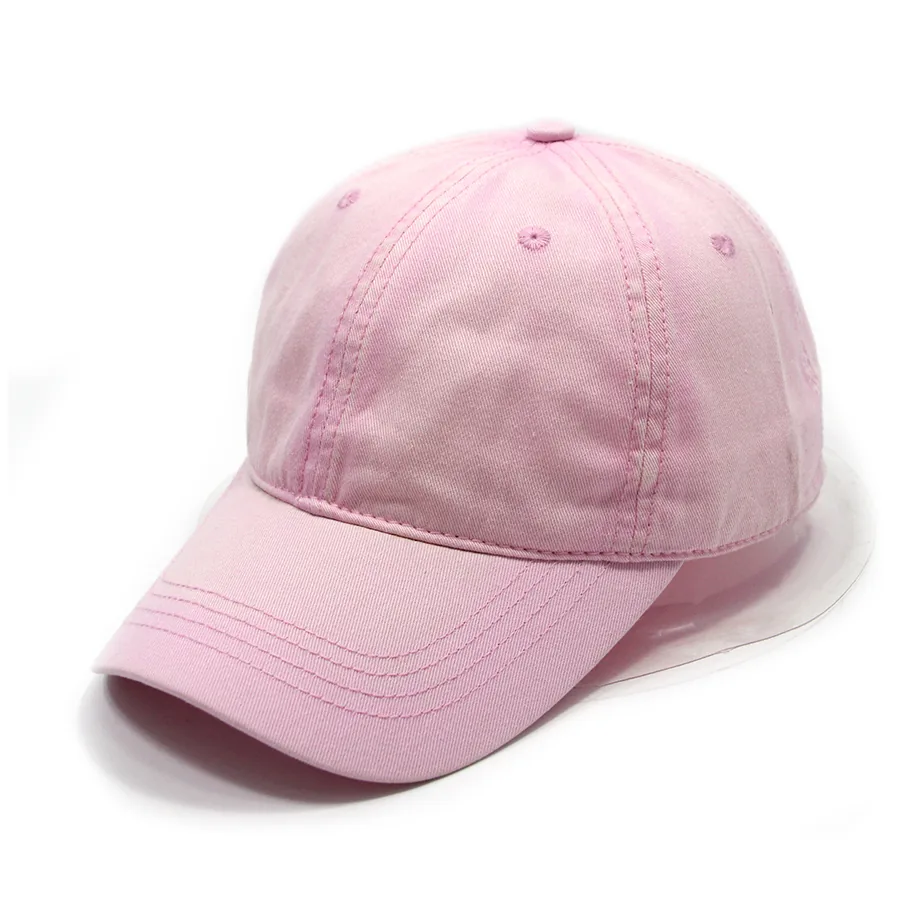
Two custom hat quotations can show different totals while describing different orders. One may include a decorated sample and individual packing; the other may price an undecorated cap with neither item specified. Before comparing amounts, ask each supplier to respond to the same dated brief and show what its quote includes, excludes and still assumes.
This is a comparison method, not a price benchmark. Your own design, quantities, destination and agreed terms determine the actual offer. The first-sample tech pack helps prepare a versioned design handoff; this guide starts when quotations come back and you need to compare their scope.
Freeze the version of the request
Put one brief ID and revision date on every quote request. If Supplier A sees a revised logo file but Supplier B sees the old one, their totals are not comparable. Send both the same hat direction, artwork version, target quantity by design, destination and any required date. The project brief essentials are a useful starting point. Mark an unknown field as open and ask each supplier to state the assumption used in its offer.
Use the custom headwear range to name the category you mean, then specify the actual design. “Baseball cap” alone does not fix the crown, brim, closure, material, color or decoration. A reference photo can identify visible features, but it cannot establish an unseen specification or a price.
Compare the physical hat and artwork on separate lines
Check that both suppliers describe the same finished item. Ask each to repeat the key specification in its own quotation, rather than replying only with a unit amount. A short line-by-line review catches omissions before the commercial terms are considered.
| Line to compare | What the buyer should check in each quote |
|---|---|
| Hat body | Shape, panel layout, brim direction, closure, size basis, material specification and color reference, as applicable |
| Decoration | Artwork filename/version, method, position, finished size and number of decorated areas |
| Labels and packing | Label artwork, placement, individual packing and carton requirements, if requested |
| Quantity basis | Units per design/color/size, any permitted mix and the quantity to which the quoted amount applies |
| Sample basis | What sample or proof is offered, how many revision rounds are included, and what is separately charged |
These are questions, not a claim that every option is available on every project. If a supplier proposes a different material, decoration method or construction, keep that alternative in its own column. Ask for a revised offer against the common brief before calling one quote “cheaper.” The customization quote conditions explain which project inputs Rongtai needs to review an inquiry; the precise options and terms are confirmed for the individual design.
Read the commercial scope, not just the unit amount
Request written inclusions, exclusions and assumptions. A unit price has limited meaning until you know the basis on which it was offered. Have each supplier identify whether setup, sampling, labels, packing, inspection, freight, duties or taxes are included, excluded or undecided. Ask what delivery term and destination the quote uses, how long the offer is valid, and when payment would be due. Do not infer any of these from a short email or a similar past order.
Dates need the same care. Separate the time to make and approve a sample, the production period after approval, and the shipping basis. If a target date is important, ask which buyer approvals and supplier confirmations the schedule depends on. A date in one supplier’s message may start from payment or artwork approval while another starts from sample sign-off.
Use a blank comparison record
Copy this record into your own sheet or email. Put the common brief ID/version and the buyer’s follow-up contact above the table. Fill the supplier columns from written offers; leave a cell open if the offer does not answer it. The empty cells are the follow-up list, not permission to guess.
Common brief: [ID/version] · Follow-up owner: [name]
| Field | Supplier A | Supplier B |
|---|---|---|
| Brief version and quote date | [ ] | [ ] |
| Hat body and material | [ ] | [ ] |
| Artwork and decoration | [ ] | [ ] |
| Quantity and mix | [ ] | [ ] |
| Sample, setup and revisions | [ ] | [ ] |
| Labels and packing | [ ] | [ ] |
| Delivery basis and taxes | [ ] | [ ] |
| Approvals and timing | [ ] | [ ] |
| Payment and validity | [ ] | [ ] |
| Exclusions and alternatives | [ ] | [ ] |
If the quotes use different currencies or delivery terms, record those facts first. Convert or adjust amounts only with a known exchange date and a documented like-for-like cost basis. Do not subtract a guessed shipping cost to make two offers appear comparable.
Reconfirm after a sample or design change
A sample decision can change the scope you priced. If the brim shape, decoration size, material choice, labels or packing changes after the first offer, send a new brief version and ask both suppliers to identify which quote lines change. Keep the earlier quote for the decision history, but do not treat it as the current offer. A physical sample should be reviewed against the agreed reference and written specification; the cap sample review guide gives a practical set of views to request.
To start a Rongtai discussion, send Alex your current brief and the specific quote questions. Include the hat direction, artwork version, estimated quantity by design and destination. We can review the project inputs and confirm the terms that apply to your design; this checklist does not pre-approve a price, minimum quantity or delivery date.